Cast Off and Explore: The American Traveler's Honest Guide to Sailing the Turquoise Coast on a Gulet
Most Americans arrive in Bodrum with a fairly conventional plan: a nice hotel, some beach time, a few good dinners, maybe a day trip to Ephesus. Then they see the gulets.
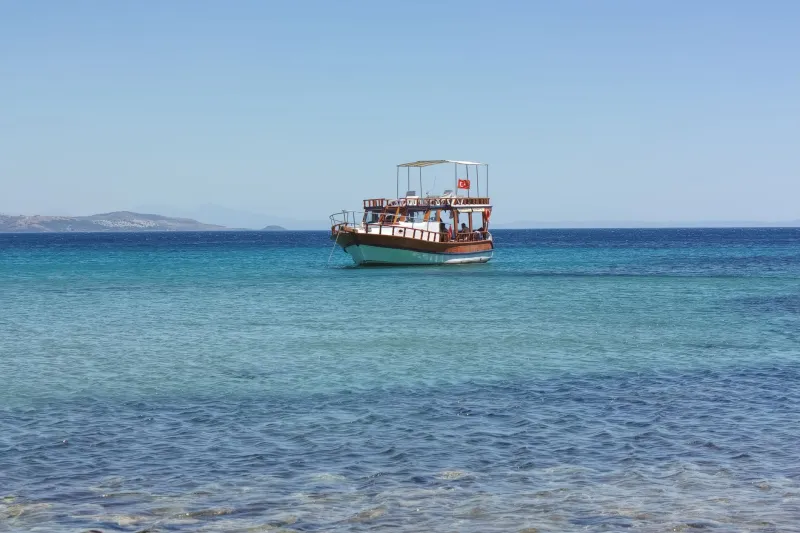
These wide-beamed wooden sailing vessels — traditional Turkish boats that have been carrying passengers along the Aegean and Mediterranean coasts for decades — are moored along Bodrum's harbor in the dozens. They range from modest working boats to floating boutique hotels with air-conditioned cabins, onboard chefs, and sun decks that look like something out of a design magazine. And once you understand what a gulet charter actually involves, it's very hard to go back to the hotel plan.
What Exactly Is a Gulet?
A gulet (pronounced goo-LET) is a traditional wooden motor-sail vessel built in the boatyards of southwestern Turkey — particularly around Bodrum and Marmaris. Historically used for fishing and cargo, they were reimagined for tourism in the 1970s and have since become one of the defining experiences of the Turkish coast.
Modern gulets range in length from about 65 to over 100 feet and typically carry between 6 and 20 passengers. Most have between 3 and 8 private cabins, a shared dining area, and a large aft deck perfect for sunbathing, meals, and evening drinks. The better-equipped boats include proper en-suite bathrooms in each cabin, hot water showers, and climate control — a non-negotiable for most American travelers during July and August.
They're not racing sailboats. They move at a leisurely pace under a combination of engine and sail, which is exactly the point. A gulet trip is not about speed or itinerary-checking. It's about finding a beautiful spot and staying there until you're ready to find the next one.
When to Go
The sailing season on the Turquoise Coast runs roughly from late April through October, with each window offering something a little different.
May and June are widely considered the sweet spot by experienced travelers. The water is warm enough to swim comfortably, the crowds are manageable, the wildflowers along the clifftops are still in bloom, and prices haven't yet hit peak-season levels. Temperatures hover in the mid-70s to low 80s Fahrenheit — ideal for being on the water all day.
July and August are peak season in every sense: warmest water, most vibrant nightlife at anchor stops, but also the highest prices and the most company in the popular coves. If you're traveling with a group that wants a social scene, this is the time. If you're after solitude, look elsewhere.
September and October offer arguably the best combination of warm water (the sea holds its heat well into fall), thinner crowds, and softer light. October in particular is a gem — fewer boats, cooler evenings, and a landscape turning golden.
What Does a Typical Itinerary Look Like?
Most gulet charters out of Bodrum run for one or two weeks, though shorter three- to four-night options exist for those with limited time. The classic route heads south and west from Bodrum, threading through a mix of Turkish coves and — depending on your charter company and visa situation — potentially stopping at nearby Greek islands like Kos, Rhodes, or Symi.
A typical day might look something like this: anchor is raised mid-morning, the boat motors or sails to the next destination over two to four hours, with a swim stop at a secluded bay along the way. Lunch is served onboard — fresh fish, mezze, grilled vegetables, cold beer. The afternoon is yours: snorkeling, kayaking off the back of the boat, reading in the shade, or napping on the deck. By early evening you're anchored in a harbor village for dinner ashore, or eating onboard under the stars.
Highlights along the route typically include the Gulf of Gökova (dramatic fjord-like scenery, almost no development), the coves around Datça peninsula, the ancient ruins at Knidos, and the strikingly blue waters around Marmaris. On the Greek side, Symi's neoclassical harbor is a regular favorite, and the beaches of Kos are just 45 minutes from Bodrum by fast ferry — or a natural day-stop on a longer charter.
Crewed vs. Bareboat: What Americans Need to Know
The vast majority of gulet charters in Turkey are fully crewed — meaning a captain and at least one additional crew member (often a cook) come with the boat. For most American travelers, this is the only realistic option anyway, since Turkish maritime law requires a local licensed captain for foreign charter guests.
The fully crewed setup is, frankly, wonderful. A good captain knows every cove, every anchorage, every local fish restaurant worth stopping at. A good cook will produce meals that would be impressive in a shoreside restaurant, sourced from morning market stops at harbor towns along the route. You're not on a cruise ship — it's intimate, personal, and the crew genuinely becomes part of the experience.
What Does It Cost?
Here's where American travelers often do a pleasant double-take. Gulet charters in Turkey are, by Mediterranean standards, extremely good value.
A mid-range crewed gulet sleeping 8 passengers runs roughly $3,500–$6,000 USD per week for the entire boat during shoulder season. Split among four couples, that's $875–$1,500 per person for seven nights — all-inclusive of accommodation, most meals, and a private captain and crew. Compare that to a week in a decent Bodrum hotel plus restaurant meals and activities, and the gulet often wins on pure cost.
Peak season (July–August) adds a premium of roughly 20–40%. Higher-end "luxury gulets" with upgraded interiors, dedicated chefs, and water sports equipment can run $10,000–$20,000 per week and up, but these are genuinely five-star experiences on the water.
Most charters quote a "full board" price that includes breakfast, lunch, and dinner onboard. Drinks are typically extra (bring cash for provisioning), and you'll want a budget for port fees, occasional restaurant dinners ashore, and tips for the crew (10–15% of the charter cost is standard and genuinely appreciated).
Practical Tips Before You Book
Book through a reputable broker. Companies like Navigare, Sunsail, and several Turkey-specialist agencies can match you with vetted boats and handle contracts in English. Avoid booking directly through unverified social media listings.
Check the cabin configuration carefully. If you're traveling as couples, make sure the boat offers double-bed cabins rather than twin bunks. Ask for photos of the actual boat, not just the model.
Pack light and soft. Hard-shell suitcases are a nightmare on boats. Duffel bags and backpacks only. Bring reef-safe sunscreen, motion sickness medication just in case, and a good headlamp for late-night deck use.
Embrace the flexibility. Weather, wind, and whim will change your itinerary. The best gulet trips are the ones where passengers let the captain make the calls. Trust the process.
The Turquoise Coast earned its name for a reason. Once you've seen that color from the deck of a wooden boat at anchor in a quiet cove, the resort pool is going to feel like a very poor substitute.