Your Laptop, Their Coastline: The Real Deal on Working Remotely from Bodrum in 2025
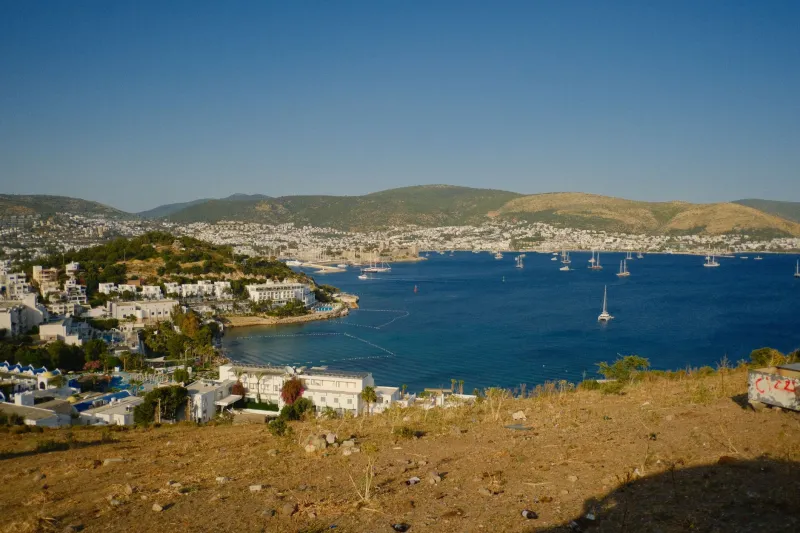
The digital nomad playbook has been well-worn for a while now. Chiang Mai, Lisbon, Medellín, Bali — the usual suspects show up in every Reddit thread and YouTube channel dedicated to remote work abroad. They're great, genuinely. But they're also increasingly crowded, increasingly expensive, and increasingly designed around the idea of digital nomads rather than around the place itself.
Bodrum is different. It hasn't been fully discovered by the remote work crowd yet, which means the coffee shops aren't full of MacBooks, the rents haven't been inflated by an influx of dollar-earning foreigners, and the locals are still pleasantly surprised — rather than quietly exhausted — when you show up and want to stay for a few months. If you're a remote worker with any flexibility in where you base yourself, 2025 might be the year to get here before everyone else does.
The Honest Case for Bodrum as a Work Base
Here's the pitch in plain terms: you can rent a comfortable apartment with a sea view in Bodrum for what you'd pay for a studio in a mid-tier American city. The food is exceptional and cheap by US standards. The weather is genuinely good for around eight months of the year. The time zone (UTC+3) works reasonably well for US East Coast calls if you're willing to keep morning hours local time — and perfectly for anyone whose clients or colleagues are in Europe or the Middle East.
That's the upside. The honest version also includes some friction — internet reliability varies depending on where exactly you're staying, the bureaucratic landscape around longer-term stays requires some navigation, and Bodrum is decidedly seasonal, which means the energy of the place shifts dramatically between July and November. None of these are dealbreakers, but they're worth knowing upfront.
Visa Situation: What Americans Need to Know
The good news first: US passport holders can enter Turkey without a visa and stay for up to 90 days within any 180-day period. For a trial run or a season-long stay, that's often enough.
For longer commitments, Turkey offers a short-term residence permit that allows stays beyond the 90-day tourist allowance. The application process involves local paperwork, proof of financial means, and health insurance — doable, but worth getting organized before you arrive rather than scrambling once you're there. Several expat-focused relocation services operating in Bodrum specialize in exactly this kind of assistance, and their fees are reasonable.
There's no dedicated digital nomad visa in Turkey as of 2025, unlike some European countries that have introduced them. That's a gap in the system, but in practice, most remote workers manage the 90-day stays with periodic short trips to nearby Greek islands (which are genuinely close — some are visible from the Bodrum peninsula) and then return.
Internet and Infrastructure: The Real Story
Internet in Bodrum is a topic that generates strong opinions in expat forums, and the honest answer is: it depends. In Bodrum town and the larger neighborhoods like Yalıkavak, Türkbükü, and Gümüşlük, fiber connections are available and, when working properly, genuinely fast — 100Mbps+ is achievable. The issue tends to be consistency rather than speed, with occasional outages that correlate with peak summer usage or weather events.
The smart move is to treat your accommodation's internet as your primary connection and a Turkish SIM card with a data plan as your backup. Turkish mobile data is affordable — a workable monthly data plan runs $15–25 — and 4G coverage across the peninsula is solid. For video calls, most days you'll have no issues. For days when you don't, a café with good wifi is usually a short walk away.
Co-working spaces in Bodrum are still developing. You won't find the dense co-working ecosystem of Lisbon or Medellín here, but several spots in Bodrum town have emerged as reliable work-friendly environments with dedicated desks, private offices, and day passes. Expect to pay $10–20 per day or $150–250 per month for a hot desk — considerably less than equivalent setups in US cities.
Cost of Living: The Numbers That Matter
Let's get specific, because vague claims about affordability don't help anyone plan a budget. These are realistic 2025 estimates for a comfortable (not spartan) lifestyle in Bodrum:
- Rent: A furnished one-bedroom apartment in a decent neighborhood runs $500–$900/month. For a two-bedroom with a view, budget $900–$1,500.
- Groceries: A week's worth of fresh produce, protein, and staples from local markets costs $40–$60 for one person.
- Eating out: A proper sit-down meal at a mid-range restaurant runs $10–$18 per person. Street food and local lunch spots are $4–$7.
- Transportation: Dolmuş (shared minibuses) cover most of the peninsula for $0.50–$1.50 per ride. Renting a scooter for a month costs around $150–$200.
- Coworking: As noted above, $150–$250/month for a hot desk.
All in, a comfortable single-person lifestyle — including rent, food, transport, coworking, and the occasional dinner out — runs $1,500–$2,500/month. Compared to San Francisco, New York, or even Austin, the math is striking.
The Expat and Nomad Community
Bodrum has a longer-established expat community than most people realize — primarily British, German, and Scandinavian retirees and second-home owners who've been coming here for decades. The remote work crowd is newer and smaller, but it's growing, and there are informal networks developing around it.
Facebook groups and local WhatsApp communities are the primary organizing infrastructure right now. Regular meetups happen in Bodrum town and Yalıkavak, and the vibe is genuinely welcoming — people here are generally glad to share what they know, whether that's visa advice, apartment recommendations, or which café has the most reliable wifi.
Language isn't as much of a barrier as you might expect. English is widely spoken in the tourist and business areas of Bodrum, and a small investment in learning basic Turkish goes a remarkably long way in terms of goodwill and practical navigation.
Lifestyle: The Part That Keeps People Here
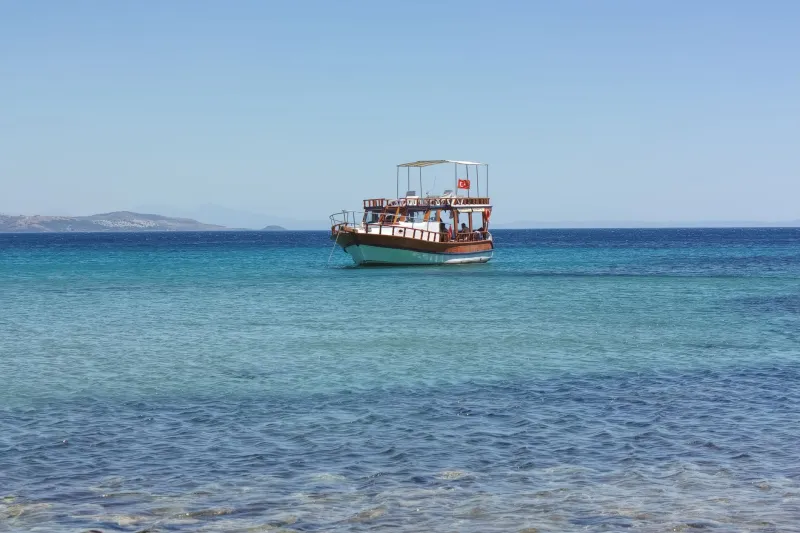
Here's what the spreadsheet doesn't capture. After a few weeks in Bodrum, the rhythm of the place starts to rewire something. You work in the morning, take a swim at lunch, eat something extraordinary for $12, watch the sun go down over the Aegean, and somehow feel like you've had both a productive day and a vacation. The line between working life and real life blurs in the best possible way.
The peninsula is small enough that you can explore most of it on a weekend — ancient ruins, hidden coves, hilltop villages, sailing day trips — but varied enough that it doesn't feel repetitive. And when you need a bigger city fix, Istanbul is a one-hour flight away.
For remote workers who've been grinding from a home office in a US suburb, wondering if there's a better configuration for how to spend their working years, Bodrum is a compelling answer. Not for everyone, and not forever necessarily — but as a place to spend six months to a year recalibrating your relationship to work, life, and what you actually want out of both, it's hard to beat.