Dropping Anchor in Bodrum: The Honest Truth About Marina Access, Mooring Costs, and Where the Crowds Haven't Killed It Yet
Bodrum's sailing scene looks dreamy from the outside — turquoise water, whitewashed villages, gulets gliding past ancient ruins. But pull up to a marina in July and the reality hits fast: limited slips, sky-high fees, and a waitlist that started filling up in February. Here's what visiting sailors and yacht owners actually need to know before they cast off.
If you've spent any time fantasizing about sailing the Turquoise Coast, you've probably pictured a quiet cove, a cold Efes, and nothing but the sound of water lapping against the hull. That fantasy is still achievable — but it requires more planning than it did even five years ago. Bodrum's popularity has exploded among European and increasingly American travelers, and the marina infrastructure simply hasn't kept pace.
The Numbers Don't Lie: Bodrum's Marina Capacity Problem
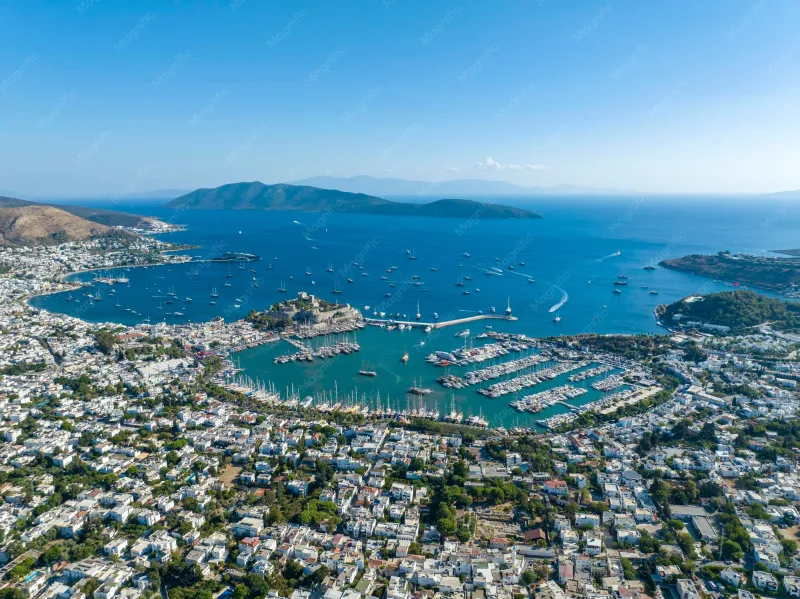
Bodrum Marina, the largest and most centrally located facility in town, operates around 400 berths. Sounds like a lot until you factor in the thousands of charter yachts, private vessels, and mega-yachts that converge on the peninsula between June and September. Milta Bodrum Marina, the other major player in the harbor, adds several hundred more slips — but both facilities routinely hit capacity by late June and stay there through early September.
Charter companies operating out of Bodrum report that clients are increasingly surprised by mooring costs, which have climbed sharply over the past few seasons. A mid-size sailing yacht (around 40 feet) can expect to pay anywhere from $80 to $200 per night at a full-service marina during peak season, depending on the facility and the boat's length overall. Larger vessels and superyachts pay significantly more. For Americans used to the relatively affordable slip fees at, say, a Florida or Chesapeake Bay marina, the sticker shock is real.
And that's assuming you can get a berth at all. Several charter operators we spoke with noted that advance reservations for peak-season slips at Bodrum Marina are essentially mandatory — and that even confirmed bookings occasionally get bumped when larger boats show up with more persuasive wallets.
Why the Bottleneck Keeps Getting Worse
The short answer: demand is outrunning development. Turkish maritime authorities have approved expansions at various points, but permitting, environmental review, and financing delays have slowed progress considerably. Meanwhile, the global boom in luxury sailing tourism — accelerated by post-pandemic wanderlust — has poured more boats into a fixed amount of water.
Seasonal bottlenecks cluster predictably. The worst congestion typically hits during the last two weeks of July and the first two weeks of August, when Turkish domestic vacationers join the international crowd. This is also when the meltemi winds are at their most reliable, making it prime sailing weather — which means everyone wants to be out on the water at the same time.
Marina operators are candid about the situation. "We could fill twice our capacity in August," one Bodrum Marina staff member told us. "We turn boats away every day. People call from the US thinking they can just show up and find a spot. It doesn't work that way anymore."
The Lesser-Known Anchorages That Still Deliver
Here's the good news: Bodrum's crowding problem is largely concentrated in its marinas. Venture beyond the main harbor and you'll still find coves and anchorages that feel genuinely remote — at least compared to the crush at the marina bar.
Göltürkbükü is increasingly popular but still manageable outside peak weeks. The village has a handful of small private piers and a calm bay that suits overnight anchoring. It's also got some of the best restaurant waterfront dining on the peninsula, which helps.
Orak Island, a short sail southeast of Bodrum, offers crystalline water and decent holding ground. It gets busy during the day with day-trip boats but tends to clear out by late afternoon. Overnight anchoring here during shoulder season feels like the Bodrum of twenty years ago.
Çökertme, on the Gulf of Gökova east of the peninsula, is a small fishing village with a few basic facilities and a dramatically quieter vibe than anything closer to Bodrum town. It requires more sailing time to reach, which is exactly why it stays relatively uncrowded.
Knidos, at the tip of the Datça Peninsula, is a longer haul but rewards patient sailors with ancient ruins, a natural double harbor, and the kind of solitude that's increasingly hard to find anywhere on the Turquoise Coast.
Practical Advice for Planning a Realistic Itinerary
If you're chartering out of Bodrum or bringing your own boat, here's what the locals and charter companies consistently recommend:
Book marina nights in advance — all of them. Don't assume you'll figure it out when you arrive. Contact Bodrum Marina and Milta directly, or have your charter company handle reservations as part of your package. Get confirmation in writing.
Rethink your peak-season timing. June and September are genuinely excellent sailing months on the Turquoise Coast. The meltemi is lighter and more predictable in June; September brings warm water and noticeably thinner crowds. If you have flexibility, either of these shoulder months will deliver a better experience than the August crunch.
Budget for mooring costs honestly. Factor marina fees into your overall trip budget from the start. If you're chartering a 50-foot yacht for a week in July, you could easily spend $800 to $1,200 on marina fees alone, on top of your charter rate. Anchoring out reduces costs but requires comfort with open-water overnight stays.
Consider a Gökova or Hisarönü Gulf itinerary. These gulfs, accessible from Bodrum with a day's sail, have more anchorage options and slightly less pressure on marina capacity. A route that uses Bodrum as a base port but spends most nights at anchor or in smaller village harbors will feel far less congested than one that yo-yos in and out of the main marina.
Talk to your charter company about realistic expectations. The good ones will be upfront about what's achievable in peak season versus shoulder season. If a company is promising you idyllic empty coves in August without any caveats, that's a red flag.
What This Means for the Future
Bodrum's marina capacity issue isn't going away anytime soon. Development proposals come and go, but meaningful infrastructure expansion takes years, and the regulatory environment around Turkish coastal construction is complicated. What's more likely in the near term is continued price increases as demand outstrips supply — and continued pressure on the remaining uncrowded anchorages as sailors migrate away from the expensive, congested marinas.
For American travelers planning a sailing trip to the Turquoise Coast, the message is simple: the magic is still there, but it requires more intentionality than it used to. Plan earlier, book more firmly, and build your itinerary around flexibility rather than fixed marina stops. The reward — that perfect cove, that cold beer, that silence — is absolutely worth the extra effort. You just have to work a little harder to find it now.