Catch of the Day, Every Day: How to Eat Like a Local Along Bodrum's Waterfront
Somewhere between your second glass of raki and a plate of grilled sea bream that tastes like it was pulled from the Aegean about six hours ago, you'll understand what food people mean when they talk about Bodrum. This isn't a town where eating well requires a reservation three weeks in advance or a credit card you're nervous about using. It's a place where the best meals happen almost by accident—when you follow a fisherman's truck down a side street, or duck into a meyhane because you liked the smell coming through the door.
For American travelers used to farm-to-table being a marketing term, Bodrum's boat-to-table food culture is the real thing. Here's how to stop eating for tourists and start eating like the people who actually live here.
The Fish Market Comes to You—If You Know When to Show Up
Bodrum's daily fish auction at the marina is one of those experiences that sounds like a tourist attraction but is actually just how the town works. Early each morning—and we mean early, as in before most vacation brains are fully operational—local fishermen bring in their overnight catch and sell directly to restaurant buyers, market vendors, and in-the-know locals.
Showing up around 6 or 7 a.m. and watching the auction is perfectly acceptable as a visitor, as long as you're not in the way. You'll see what's actually in season: silvery sea bass, red mullet, octopus still curling at the edges, sea bream in quantities that make you reconsider every sad piece of fish you've ever eaten back home. The variety shifts through the year—spring brings sea urchin and mussels, summer is prime for swordfish and tuna, autumn delivers some of the best bluefish of the season.
If you want to buy something directly, a few vendors at the adjacent fish market sell retail, and many will clean and bag your purchase on the spot. Some of the smaller guesthouses in the old town have kitchenettes, and buying your own fish for a late breakfast is one of those simple pleasures that costs almost nothing and tastes like everything.
What a Meyhane Actually Is (and Why You Need One)
A meyhane is technically a Turkish tavern—but calling it a tavern undersells it by about a mile. Think of it as the intersection of a neighborhood bar, a family dinner table, and a small restaurant that doesn't particularly care what time you arrived or when you plan to leave. Raki (Turkey's anise-flavored spirit, usually diluted with water and ice) flows freely. Small cold dishes called mezes arrive without being ordered. Conversation between tables is normal.
Bodrum has dozens of meyhanes, but the ones worth finding are mostly not on the main tourist drag. Look for the places with handwritten menus, plastic chairs, and a television in the corner playing football. If the menu has photos and is available in four languages, keep walking.
In the older residential neighborhoods above the harbor—particularly around the Kumbahçe and Eskiçeşme districts—you'll find meyhanes that have been run by the same families for a generation or two. Locals often eat late by American standards, so don't be surprised if the room doesn't fill up until 9 p.m. Order the house raki, ask what the fresh fish is tonight, and let the evening unfold at its own pace.
Meze Culture: The Meal Before the Meal
One of the most disorienting (and ultimately delightful) things about eating in a traditional Bodrum meyhane is that by the time your main course arrives, you might already be full. The meze spread is serious business here.
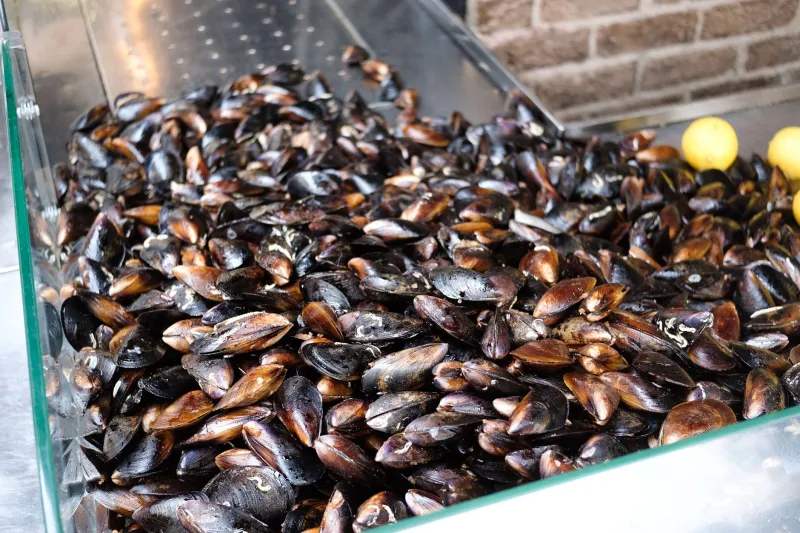
Cold mezes typically include things like haydari (a thick yogurt dip with herbs), ahtapot salatası (octopus salad dressed with olive oil and lemon), midye dolma (stuffed mussels sold by the shell), and tarama (a creamy fish roe spread that's nothing like the jarred stuff you've seen in Greek delis stateside). Warm mezes might bring fried calamari, stuffed peppers, or börek filled with cheese and herbs.
The protocol is to order several mezes to share, graze slowly, and only then consider what fish you want grilled or baked as a main. Many locals treat the mezes as the main event entirely and skip the protein course. This approach is underrated.
Seasonal Eating: What to Order and When
Bodrum's seafood calendar is worth paying attention to. Eating with the season isn't just more sustainable—it's dramatically more delicious.
If you're visiting in spring, ask for sea bass (levrek) and red mullet (barbunya), both at their peak before summer water temperatures climb. Grilled sea bream (çipura) is reliably excellent almost year-round, but particularly good from late spring through early autumn. Summer is the time to seek out swordfish (kılıç balığı), often served as skewers grilled over open flame—simple, smoky, and completely addictive.
Autumn is arguably the best season for serious fish eating in Bodrum. Bluefish (lüfer) migrates through the Aegean in October and November, and the local obsession with it borders on the religious. If you see lüfer on a menu in autumn, order it. There's no debate here.
For shellfish lovers, the winter months bring excellent oysters from nearby Güllük Bay, and mussels are good from late autumn through early spring.
Practical Tips for Eating Off the Tourist Strip
A few things that will help you eat better in Bodrum without much effort:
Walk away from the water. The restaurants with the best harbor views often have the most mediocre food and the highest prices. The best meyhanes are typically one or two blocks inland, where rent is cheaper and the clientele is mostly local.
Ask your accommodation host. Not for a restaurant referral card they get a commission on—actually ask them where they eat. Most will tell you something useful if you make clear you're not looking for the tourist version.
Learn two or three words. Saying "taze" (fresh) when pointing at the fish display, or asking "bugün ne var?" (what's good today?) will get you surprisingly far and is almost universally appreciated.
Don't rush. Turkish dining culture runs on a completely different clock than American restaurant culture. Lingering is expected. Asking for the check immediately after finishing is mildly rude. Order another raki, have some tea, and let the evening do what it wants to do.
The Bigger Picture
Eating well in Bodrum isn't about finding the right reservation or knowing the right people. It's about slowing down enough to notice what's around you—the fisherman unloading crates at dawn, the grandmother running a meyhane out of a space that's been in her family since before you were born, the waiter who's been grilling the same fish the same way for twenty years and knows exactly how good it is.
That kind of food culture is getting harder to find in the world. In Bodrum, it's still very much alive. All you have to do is show up hungry.