When the Crowds Leave: What Bodrum's Quiet Season Actually Feels Like—And Whether It's Right for You
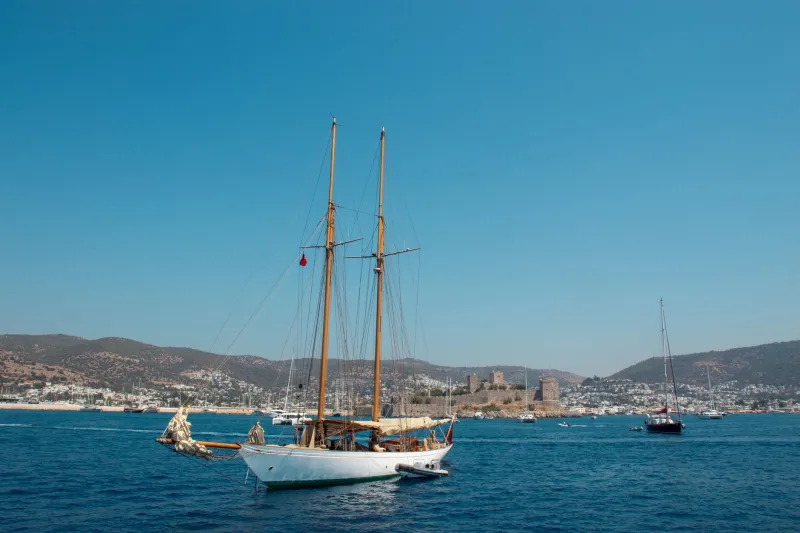
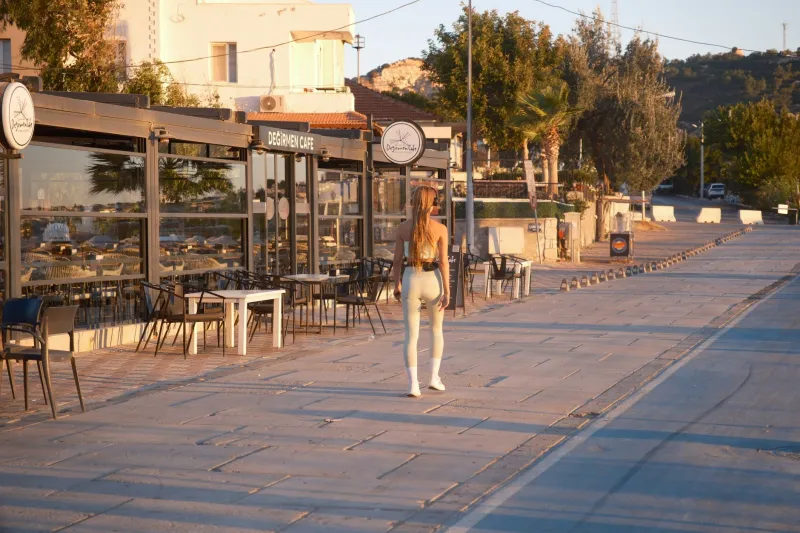
Somewhere around mid-October, something shifts in Bodrum. The beach clubs start stacking their sun loungers. The restaurants that have been running on three hours of sleep since June finally exhale. The marina thins out. And the people who've been here all along—the ones who live here year-round—start reclaiming their town.
If you've only seen Bodrum in summer, you've seen the performance. The off-season is the rehearsal space. And depending on who you are, it might actually be the better show.
What the Weather Actually Does
Let's dispense with the romantic version first. Bodrum in winter is not Bodrum in July. November through February brings real rain, real wind off the Aegean, and temperatures that hover between the mid-40s and low-60s Fahrenheit. The famous turquoise water is still there, but swimming in it takes a certain kind of commitment (or a wetsuit).
That said, this is not northern Europe. Bodrum doesn't get snow. It doesn't get weeks of gray, unbroken overcast. The sun still shows up regularly—just for shorter shifts and at a lower angle. You'll have days in January that feel genuinely mild, where sitting outside with a coffee feels not just possible but pleasant.
March is when the pendulum starts swinging back. Wildflowers appear on the hillsides. The air has that particular quality—clean, cool, slightly floral—that longtime residents describe as one of the best things about living here. By April, the weather has largely sorted itself out, and the town is beginning to stir again before the tourist wave arrives in earnest.
The Price Argument Is Real
If you're considering Bodrum as a travel destination and you have flexibility on timing, the financial case for the off-season is substantial. Rental prices—both short-term accommodations and longer-term leases—drop significantly. A villa that commands $500 a night in August might be available for $100 in December. Restaurants that were impossible to get into without a reservation are now happy to see you. Flights are cheaper. The whole cost structure of the trip deflates.
For property seekers, the off-season is also when you get a more honest read on a neighborhood. The summer version of any Bodrum village is its best-dressed self. Winter shows you the bones—what the infrastructure is actually like, how the roads hold up in rain, which businesses are genuinely local versus purely seasonal.
The Culture That Emerges When Tourists Leave
Here's what most travel guides miss: Bodrum has a rich cultural and social life that the high season actively suppresses. When the town isn't managing 50,000 tourists, it has time to be itself.
Local theater, art exhibitions, and music events pick up in the cooler months. The Bodrum Jazz Festival typically falls in autumn. Village markets, which exist year-round but get swallowed by tourist traffic in summer, become genuinely local affairs again. Conversations with shopkeepers last longer. The man at the bakkal (corner store) has time to learn your name.
For Americans who moved to Bodrum at least partly to experience Turkish culture—not just to live in a warm place with a nice view—winter is when that investment starts paying off. The friendships you build in the off-season tend to run deeper than the ones formed at a summer rooftop party.
The Honest Case Against It
None of this means winter in Bodrum is for everyone. And the people who've lived through it will tell you that honestly.
Seasonal businesses close. Some neighborhoods that feel vibrant in summer become genuinely quiet—not peaceful-quiet, but empty-quiet. If you're extroverted, socially dependent, or accustomed to having a lot of options for how to spend an evening, the contraction of Bodrum's winter social scene can feel abrupt.
Then there's the harder thing to talk about: seasonal affective disorder and the particular loneliness of being far from home when the days get short. This isn't unique to Bodrum—it happens to expats everywhere—but the isolation can be amplified when your support network is an ocean away and your local friendships are still relatively new.
Long-term residents have developed strategies. Some make a point of scheduling a trip back to the States or to a livelier city (Istanbul, Athens) sometime in February, when the winter feels longest. Others lean into the season deliberately—taking on projects, learning Turkish, cooking their way through a new cuisine. The ones who struggle most are the ones who spend November through March waiting for summer to come back.
"I didn't realize how much I'd relied on the buzz of the high season to feel okay," admits David, a retired teacher from Colorado who's been in Bodrum for four years. "The first winter was genuinely hard. The second one I was prepared for. Now I actually look forward to it."
Who Should Stay (And Who Should Go)
Winter in Bodrum works best for people who are either deeply rooted in the community or genuinely comfortable with their own company—ideally both. Remote workers who are self-directed and don't need external stimulation to stay productive often find it ideal. Writers, artists, and researchers who came to Bodrum for the slower pace will find the off-season delivers exactly what they were looking for.
For travelers, a November or March visit hits a sweet spot: the weather is mild enough to enjoy the outdoors, the prices are dramatically lower, and the experience of the place is more authentic. The shoulder season is Bodrum's best-kept secret.
For families, the calculation is more complex—school schedules, kids' social needs, and the practical realities of a quieter town all factor in. But families who've committed to year-round Bodrum life generally report that the slower months create a kind of closeness—with each other and with the community—that the summer rush simply doesn't allow.
The Turquoise Coast doesn't disappear in winter. It just gets quieter. And sometimes, that's exactly what you need to hear it clearly.