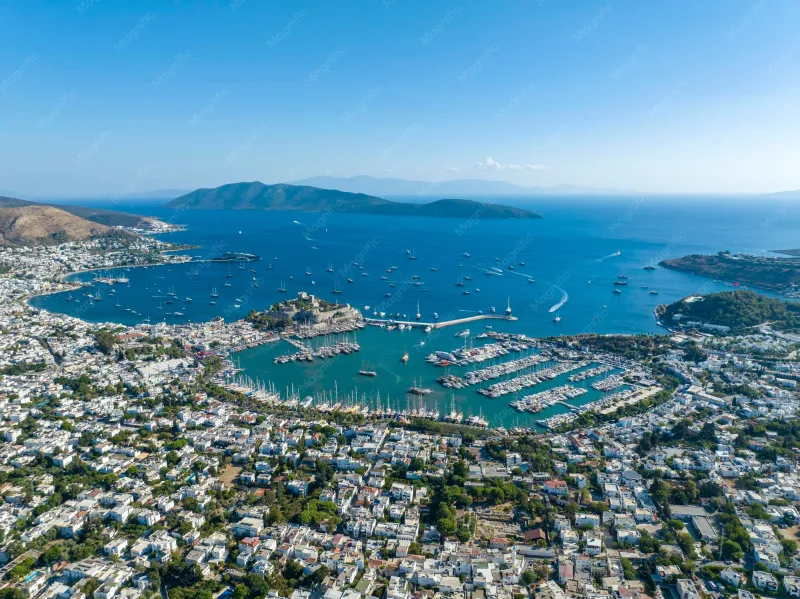
From Stranger to Regular: How Americans Actually Build a Real Social Life in Bodrum
There's a version of the Bodrum expat story that looks great on Instagram. The golden hour drinks, the gulet day trips, the effortless friendships with fascinating people from six different countries. What that story leaves out is the first three months — the ones where you're eating dinner alone, scrolling your phone, and wondering if you made a massive mistake.
Every American who's built a genuine life on the Turquoise Coast has been through that awkward middle chapter. The good news? Most of them came out the other side with a social circle they'd never trade. Here's what they actually did to get there.
Understand That Bodrum Has Multiple Social Universes
Before you start looking for your people, it helps to know that Bodrum isn't one social scene — it's several running simultaneously, with occasional overlap.
There's the high-season tourist bubble, which peaks from June through August and revolves around beach clubs, bar crawls, and people you'll never see again. There's the international expat layer — a surprisingly tight-knit mix of Europeans, Americans, Brits, and Australians who've planted longer-term roots. And then there's the actual Turkish community, which includes both longtime Bodrum locals and a significant population of Istanbul professionals who've relocated or semi-relocated here.
The mistake most newcomers make is getting stuck in the first universe and wondering why their social life feels shallow. The deeper connections live in the second and third circles — and getting there takes a little more intention.
Start with the Expat Infrastructure That Already Exists
The good news for Americans arriving in Bodrum is that there's real infrastructure in place. You don't have to build from scratch.
Facebook groups like "Expats in Bodrum" and "Bodrum International Community" are genuinely active and not just full of spam. People post about everything from apartment recommendations to impromptu dinners to local bureaucratic nightmares they need help navigating. Jump in. Ask questions. Offer answers when you have them. These groups function as a kind of community bulletin board, and showing up consistently — even digitally — gets you recognized faster than you'd expect.
Beyond social media, Bodrum has a handful of recurring expat meetups that happen throughout the year. These shift venues and organizers occasionally, so the best way to find them is through those same Facebook groups or by asking at the Marina Yacht Club, which has long served as an informal hub for the international sailing and expat crowd. Don't overlook notice boards at English-language bookshops and specialty grocery stores either — they're old-school but surprisingly effective.
Learn Some Turkish. Seriously.
This one gets said a lot and ignored almost as often, which is a shame because it's genuinely transformative.
You don't need to be fluent. But making the effort to learn basic Turkish — and then actually using it — changes how locals perceive you almost immediately. There's a warmth that gets unlocked when a Turkish person realizes you're not just passing through, that you're actually trying to understand their language and by extension their culture.
Language exchange meetups exist in Bodrum and are worth seeking out. They're typically casual café gatherings where Turkish speakers who want to practice English pair up with expats who want to practice Turkish. These events do double duty: you improve your language skills and you meet people who are actively interested in cross-cultural connection, which means they're already predisposed to becoming real friends rather than polite acquaintances.
Apps like Meetup and Tandem can help you find these events, but again, the expat Facebook groups are often your most reliable local source.
Get Into a Rhythm With the Seasons
One thing that catches Americans off guard is how dramatically Bodrum's social landscape shifts with the calendar. Summer is loud, crowded, and full of transient energy. Winter is quieter, more intimate, and — according to most long-term expats — when the real community reveals itself.
Jennifer, a former marketing director from Chicago who's been based in Gümüşlük for three years, puts it plainly: "I didn't really find my people until October. The tourists left, the seasonal workers left, and suddenly there were thirty of us left standing, and we all needed each other."
That off-season contraction is actually a social gift. The people who stay through winter are the ones with real roots. The dinner parties get smaller and more genuine. The conversations go deeper. If you arrive in summer, manage your expectations — you're building a foundation, not a finished house. Come October, the walls start going up.
Don't Skip the Clubs and Classes
Joining something structured is one of the fastest routes to genuine friendship anywhere in the world, and Bodrum is no exception. The town has a surprisingly robust lineup of activity-based communities: sailing clubs, yoga studios, pottery workshops, hiking groups that explore the peninsula's interior trails, and amateur theater productions that draw a wonderfully eccentric mix of locals and expats.
The Bodrum Sailing Club is a perennial favorite for obvious reasons — the setting alone is enough to make you show up. But even something like a weekly cooking class focused on Aegean cuisine can become the anchor of a social life if you commit to it consistently. The point isn't the activity itself. The point is repeated contact with the same people over time, which is how acquaintances become friends anywhere on earth.
Making Turkish Friends Takes Time — But It's Worth It
Building genuine friendships with Turkish locals requires patience and a willingness to move at a different pace than Americans are typically used to. Turkish social culture tends to be warm but deliberate. You're not going to meet someone at a bar and be invited to their family's Sunday lunch the following week.
What works: becoming a regular. Find a neighborhood café and go back. Learn the owner's name. Ask about their family. Shop at the same market stalls. Greet people in Turkish. Over weeks and months, these repeated interactions accumulate into something real.
Mark, a retired architect from Portland who bought a house in Yalıkavak four years ago, describes it this way: "My closest friend here is a guy who runs a boat repair shop near my neighborhood. We barely spoke for the first six months. Now I'm at his daughter's engagement party. You just have to show up enough times."
The Trap to Avoid
The biggest social mistake expats make in Bodrum is clustering exclusively with other expats and calling it a community. There's nothing wrong with leaning on the expat network — it's genuinely valuable, especially early on. But if that's all you do, you'll eventually feel like you're living in a very scenic version of an American suburb, just with better sunsets.
The richness of life on the Turquoise Coast comes from the layering — expat friends who get your cultural references, Turkish friends who crack open a world you'd never access otherwise, and the slow, satisfying feeling of actually belonging to a place rather than just visiting it indefinitely.
That feeling is available to you. It just doesn't come pre-packaged. You have to show up, stay past the summer, learn a few words, and let time do the rest.